Sports Injury Images
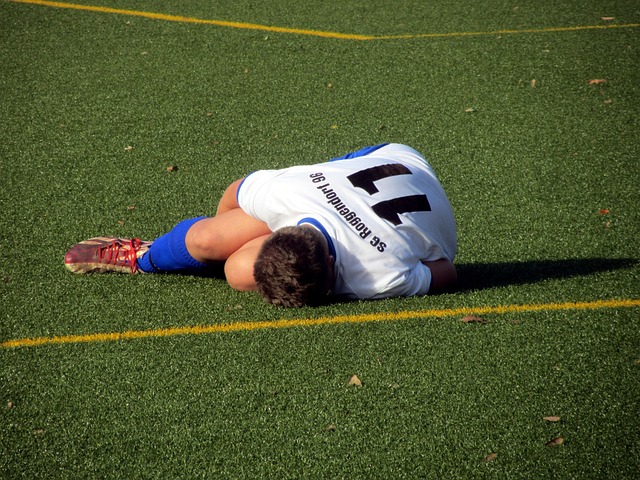
Bandaged knees, taped ankles, and players clutching injuries mid-game reveal the physical toll of athletic competition. Our collection of 50 images documents the moment impact becomes injury—from collision aftermath to treatment in progress. These visuals capture both the vulnerability and resilience inherent in high-contact and high-impact sports.
Showing 50 of 50 images

pixabay

pixabay

pixabay

pixabay

pixabay

pixabay

pixabay

pixabay

pixabay

pixabay

pixabay

pixabay

pixabay

pixabay

pixabay

pixabay

pixabay
pixabay

pixabay

pixabay
About Sports Injury Photography
Close-up shots of wrapped joints, bloodied foreheads, and protective bracing dominate the collection. Football tackles, hockey collisions, and soccer fouls appear alongside images of players favoring injured limbs, training with visible wounds, and receiving sideline medical attention. Wide angles show the chaos of contact sports while intimate frames isolate the specific moment of pain or damage.
Saturated reds and the clinical whites of bandages create stark visual contrast in most frames. Shallow depth of field keeps focus tight on the injury itself while blurring uniform numbers or crowd background, intensifying the sense of acute trauma.
Related Sports & Athletics Topics
Boxing and gymnastics share the same close-range perspective on impact and strain—both require macro-level detail to show joint stress or facial trauma. Running and cycling injury images employ similar motion-frozen compositions, where protective gear and visible discomfort occupy the frame's center.
Explore More Free Images
Wellness and rehabilitation websites often pair injury documentation with recovery protocol content, creating before-and-treatment narrative arcs. Insurance and liability presentations benefit from authentic injury photography that conveys risk without relying on staged dramatics.
Download Sports Injury Images
Blog posts on athlete recovery timelines and concussion awareness rely on real injury images to establish credibility and urgency. Presentation slides for sports safety training programs use these visuals to illustrate foul play, improper technique, and the consequences of contact-sport participation.