Stargazing Images
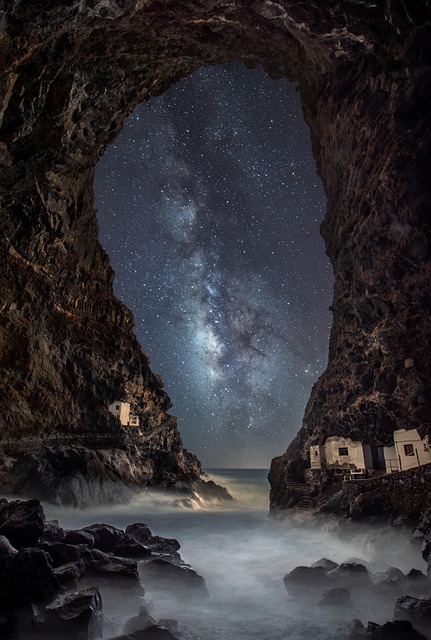
Pinpricks of white light pierce deep blue and black skies, revealing the Milky Way's luminous arc overhead. These 50 images capture the cosmos in its most dramatic forms—from sprawling galactic views to intimate close-ups of star clusters. Astrophotography reveals a universe visible only when darkness falls completely.
Showing 50 of 50 images

pixabay

pixabay

pixabay

pixabay

pixabay

pixabay

pixabay

pixabay

pixabay

pixabay

pixabay

pixabay

pixabay

pixabay

pixabay

pixabay

pixabay

pixabay
pixabay

pixabay
About Stargazing Photography
Constellations, star fields, and the Milky Way dominate these compositions, often framed against distant horizons where land meets sky. Foregrounds range from silhouetted landscapes and mountain ridges to open fields and remote locations far from light pollution. Night sky imagery includes wide-angle perspectives of the entire cosmos alongside zoomed perspectives that isolate stellar details.
Deep blacks and midnight blues create the foundation, while stars emit crisp white and faint silver tones that cut through the darkness. Long exposures and high-sensitivity camera settings amplify stellar visibility, producing sharp pinpoint lights and subtle color gradations across the galactic plane itself.
Related Seasonal Topics
Winter compositions often mirror stargazing's use of stark contrast and deep shadow tones, while clear night skies peak during autumn's crisp conditions when atmospheric moisture drops. Snow Day imagery shares the same monochromatic color ranges and the visual emphasis on isolated light sources breaking through darkness.
Explore More Free Images
Meditation and wellness websites pair stargazing photos with mindfulness content to reinforce themes of cosmic perspective and human smallness. Science education materials benefit from combining stellar imagery with infographics explaining constellation mythology and planetary positions.
Download Stargazing Images
Blog posts about astronomy and outdoor adventure rely on these images for headers and featured photos that establish mood before readers engage with text. Presentation slides on climate science, dark-sky conservation, and telescope technology use stargazing photographs to ground technical explanations in visible reality.