Rhino Closeup Images
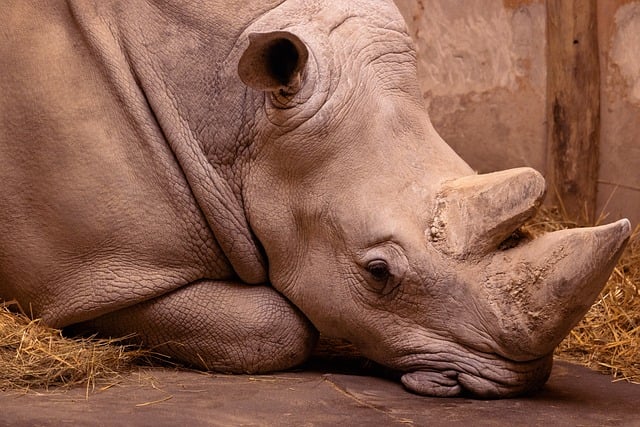
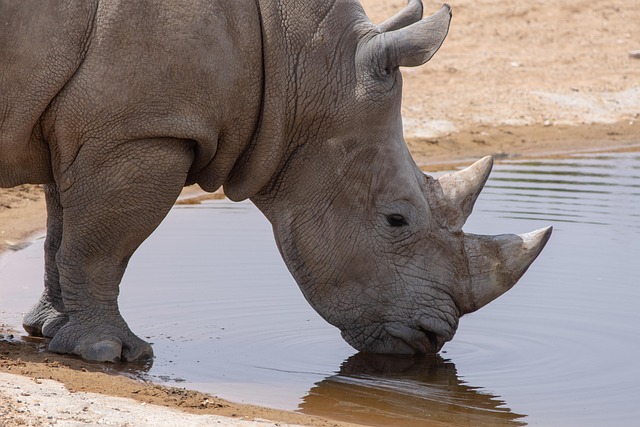
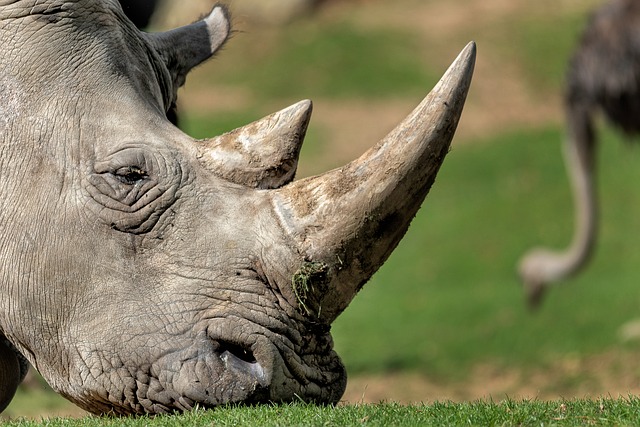
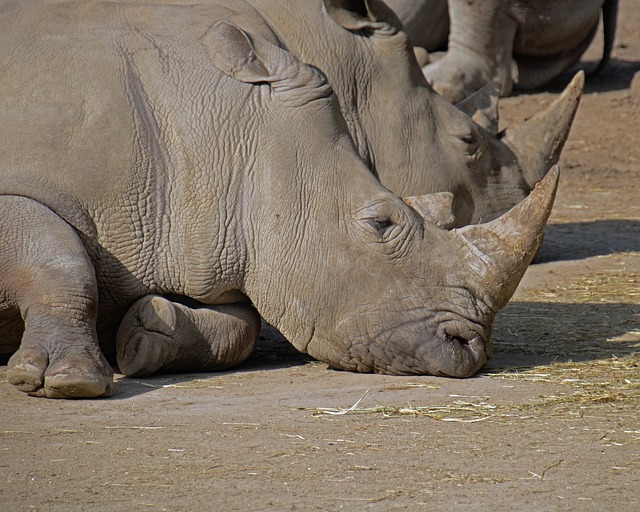
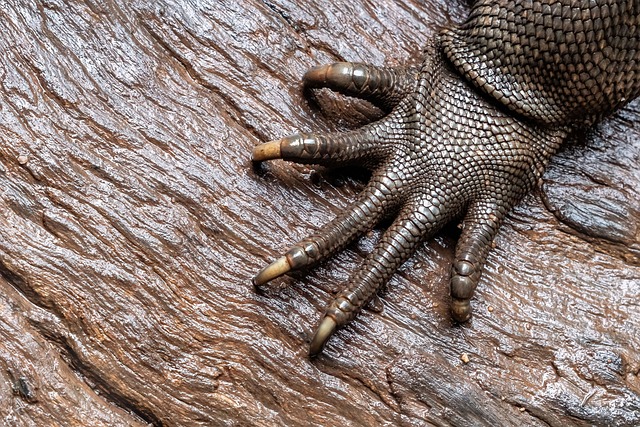
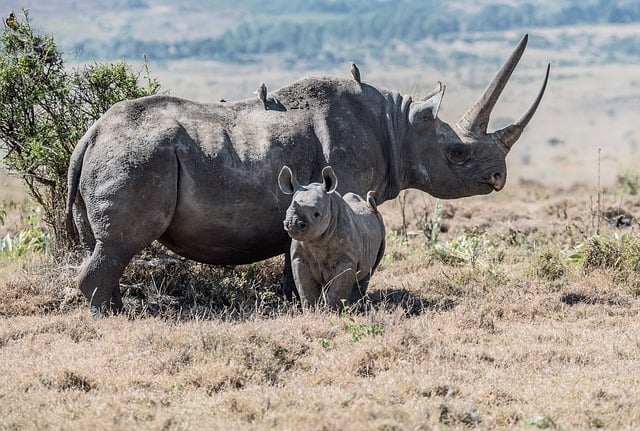
Thick, textured skin and powerful horns fill the frame in these intimate rhino portraits. Captured across 131 images, these closeups reveal the strength and presence of both black and white rhinoceros species in their natural habitats and zoo environments.
Showing 131 of 131 images

pixabay

pixabay

pixabay

pixabay
pixabay

pixabay
pixabay

pixabay

pixabay
pixabay

pixabay
pixabay
pixabay

pixabay

pixabay
pixabay

pixabay

pixabay

pixabay

pixabay
About Rhino Closeup Photography
Detailed views of rhino heads, horns, and facial features dominate this collection, with subjects ranging from individual animals to family groups. Shots capture wrinkled skin texture, distinctive horn formations, and expressive eyes set against African savanna backdrops and enclosed wildlife settings. Many compositions isolate the animal's face to emphasize its massive scale and distinctive anatomy.
Warm, natural sunlight accentuates the grey and brown tones of the animals' hides, creating dimensional shadows across their skin folds. Ground-level and eye-level perspectives position viewers within arm's reach of these pachyderms, amplifying their imposing presence through proximity rather than wide landscape framing.
Related Animals & Pets Topics
Wildlife photography and Safari imagery employ similar ground-level framing to emphasize animal dominance and habitat context. Horses share comparable full-face portrait compositions that highlight facial structure and muscular definition, though rhino closeups emphasize armor-like skin rather than sleek coat patterns.
Explore More Free Images
Documentary films and wildlife education programs benefit from these detailed anatomical views to explain species differences and conservation status. Educational presentations on African ecosystems leverage the intimate scale of closeups to create emotional connection before expanding to broader habitat shots.
Download Rhino Closeup Images
Blog posts on wildlife conservation frequently use these closeups as header images to capture reader attention before discussing rhino populations. Educational institution presentations on mammalian adaptation pair these photographs with anatomical diagrams to illustrate skin texture, horn growth, and defensive adaptations.