Rome Images
Ochre facades and terracotta roofs rise above cobblestone streets in this collection of 495 Rome photographs. Ancient Roman monuments stand alongside Renaissance churches, capturing a city layered with centuries of architectural heritage. Street-level perspectives reveal the texture of weathered stone walls and fountain-lined plazas.
Showing 495 of 495 images

pixabay

pixabay

pixabay

pixabay

pixabay

pixabay

pixabay
pixabay

pixabay
pixabay

pixabay

pixabay

pixabay

pixabay

pixabay

pixabay

pixabay

pixabay

pixabay

pixabay
About Rome Photography
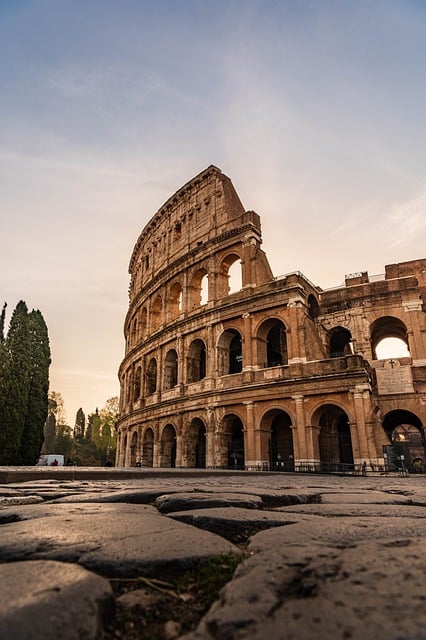
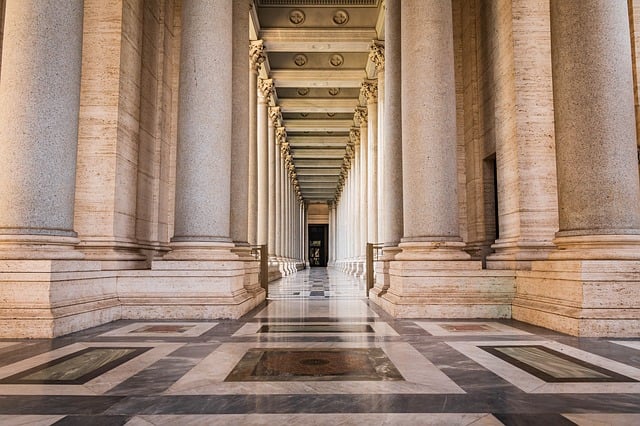
The Colosseum appears in multiple compositions from ground level and distance, while Vatican structures and church interiors showcase ornate religious architecture. Ancient Roman ruins contrast with contemporary city scenes of residential neighborhoods and bustling piazzas. Street photography captures daily life among historic monuments, archways framing pedestrian passages, and bridges spanning the Tiber.
Golden hour light bathes terracotta and cream-colored buildings in warm amber, emphasizing architectural detail and surface texture. Many shots employ shallow depth of field to isolate decorative elements—carved stonework, fountains, religious statuary—against softly blurred urban backgrounds.
Related Travel & Architecture Topics
The monumental compositions and symmetrical facades in Paris and London imagery echo Rome's approach to documenting grand architecture and civic squares. Aerial perspectives of Rome's dense urban grid and rooftop patterns parallel the bird's-eye framing found in Cities collections, revealing street layouts and architectural density.
Explore More Free Images
A historical documentary or academic presentation benefits from combining Rome photographs with archival maps and period illustrations to establish timeline context. Heritage tourism websites pair these images with accommodation guides and itinerary content to anchor travel planning in specific historical periods and neighborhoods.
Download Rome Images
Travel blog posts feature Rome photographs as hero images for articles on day-trip routes or neighborhood guides, while presentation decks on Western civilization history rely on architectural detail shots for visual continuity. Social media accounts focused on heritage and culture rotate street-level photographs and monument close-ups to drive engagement and sharing among history enthusiasts.