Marine Biology Images
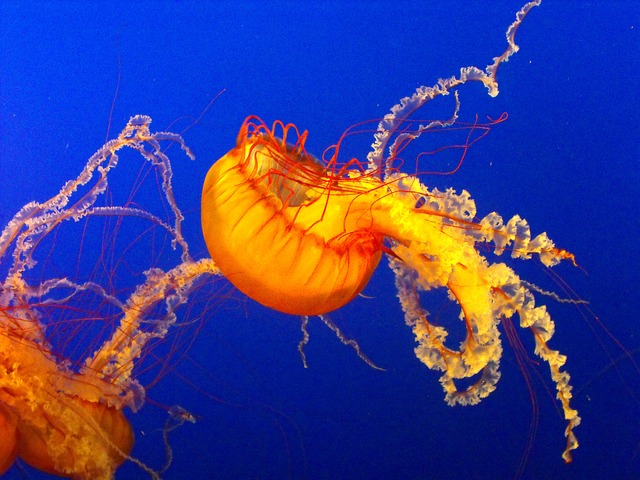
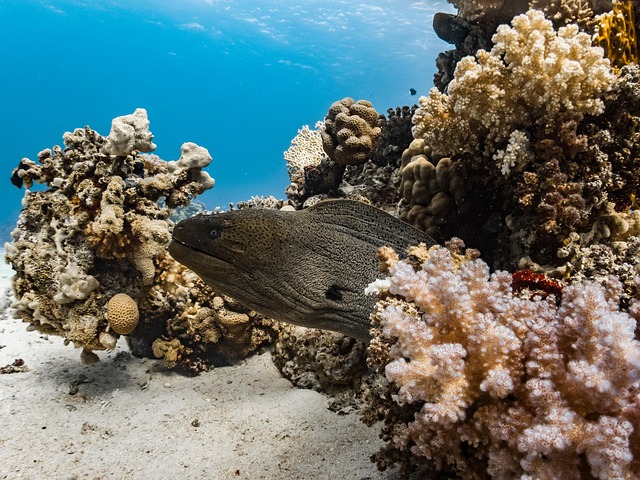
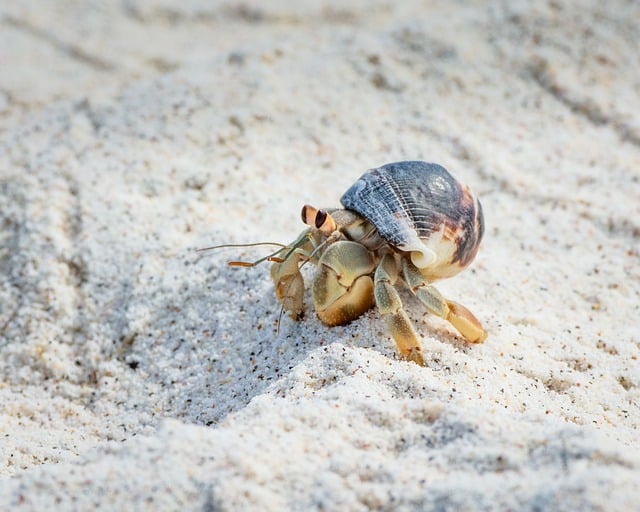
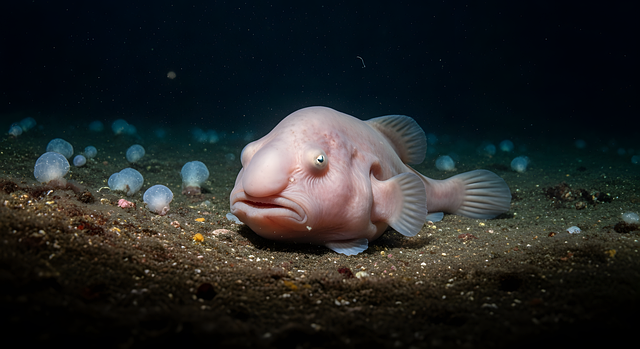
Translucent shells scattered across wet sand catch the light, revealing the intricate geometry of ocean life. Underwater scenes and beach details fill 294 images that document aquatic ecosystems and the creatures that inhabit them. These visuals ground scientific research in tangible natural forms.
Showing 294 of 294 images

pixabay
pixabay

pixabay

pixabay

pixabay
pixabay
pixabay

pixabay

pixabay

pixabay

pixabay
pixabay

pixabay

pixabay

pixabay

pixabay

pixabay
pixabay

pixabay

pixabay
About Marine Biology Photography
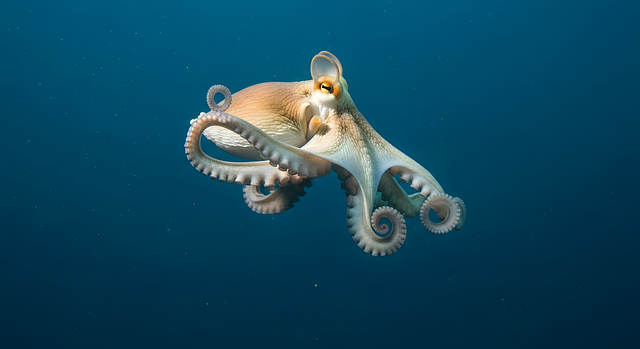
Seashells in various stages of weathering occupy prominent positions alongside live aquatic animals in their habitats. Close-up shots of individual specimens appear alongside wider compositions of ocean shorelines, tide pools, and submerged environments. Beach settings merge with underwater perspectives, showing how marine wildlife exists across the water-to-land interface.
Shallow depth of field isolates delicate shell textures and animal details against soft, blurred backgrounds. Natural water light creates translucent highlights on wet surfaces, emphasizing the liquid environment while muted ocean tones—blues, grays, and sandy beiges—establish a cohesive visual mood throughout.
Related Science & Research Topics
Macro photography techniques connecting seashell details to DNA imagery reveal similar approaches to magnifying hidden complexity. The precise, close-range focus methods used in marine biology overlap with Chemistry Lab documentation, where both require sharp specimen isolation and controlled ambient lighting to convey scientific accuracy.
Explore More Free Images
Restaurant and hospitality design often incorporates marine biology imagery to evoke coastal freshness and sustainable sourcing narratives. Educational children's books benefit from the combination of realistic animal photography with beach environments, making biological concepts visually accessible to young learners.
Download Marine Biology Images
Blog posts about ocean conservation and marine ecosystems rely heavily on authentic underwater and shell photography to establish scientific credibility. Presentation slides introducing marine biodiversity to classroom audiences require varied perspectives—from macro details to full-habitat scenes—that these images consistently provide.