Lichen Images
Vibrant greens and rust-orange crusts map across weathered bark in these 506 lichen photographs. Macro perspectives reveal intricate surface patterns that transform ordinary tree trunks into textured landscapes. Each image captures the slow-growing architecture of these resilient organisms thriving in forest ecosystems.
Showing 506 of 506 images

pixabay

pixabay
pixabay

pixabay

pixabay

pixabay

pixabay

pixabay

pixabay

pixabay

pixabay

pixabay

pixabay

pixabay

pixabay
pixabay
pixabay

pixabay
pixabay

pixabay
About Lichen Photography
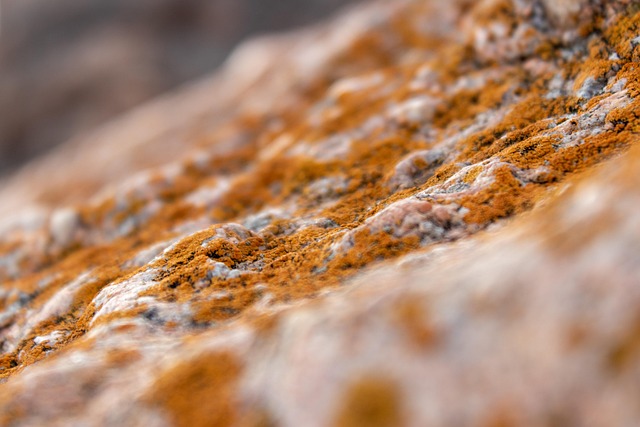
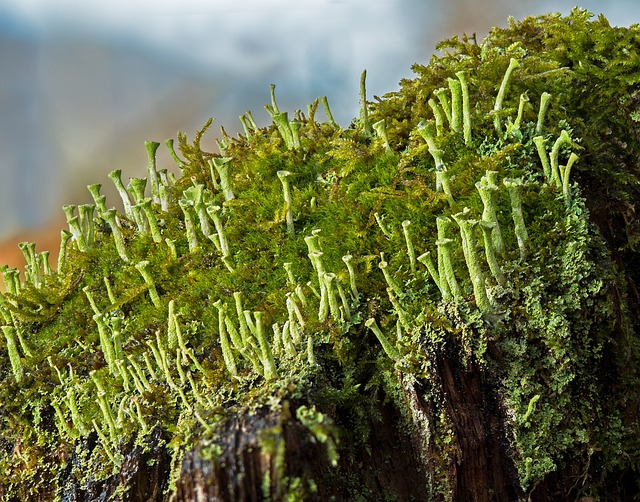
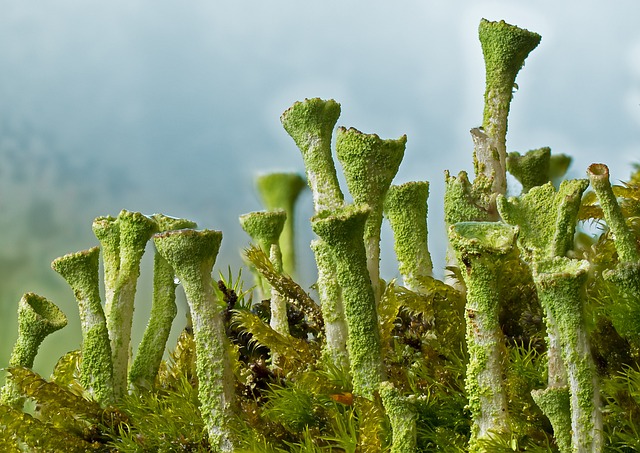
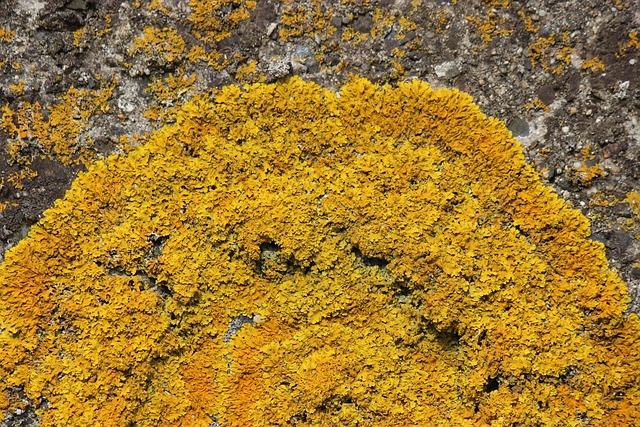
Detailed close-ups isolate lichen growth on tree bark, wood surfaces, and rocky substrates within forest settings. Dense patches display the organism's distinctive branching structures and crusty formations, while wider shots show how colonies spread across natural surfaces. Companion moss growth and fungal elements create layered compositions that emphasize the complexity of woodland micro-habitats.
Soft, diffused forest light accentuates the texture and dimensional relief of lichen surfaces without harsh shadows. Color palettes alternate between pale gray-greens, burnt orange, and deep forest tones depending on species and moisture levels, while shallow depth of field isolates individual formations against blurred backgrounds.
Related Nature & Landscapes Topics
Forest imagery and lichen photographs share intimate ground-level perspectives and earthy color vocabularies. Similar macro techniques appear in close-up flower and mushroom photography, where fine structural details and surface textures become the primary compositional focus.
Explore More Free Images
Environmental education materials benefit from high-detail lichen images to explain ecosystem succession and species adaptation in woodlands. Botanical illustrations for sustainability-focused publications often integrate macro lichen photographs alongside scientific diagrams to ground abstract ecological concepts.
Download Lichen Images
Blog posts examining forest ecology and outdoor photography tutorials frequently feature lichen close-ups as visual anchors for discussing macro techniques and woodland biodiversity. Website headers for nature education platforms and presentation slides on climate-sensitive species rely on these textured images to establish authentic environmental context.