Cheetah Images
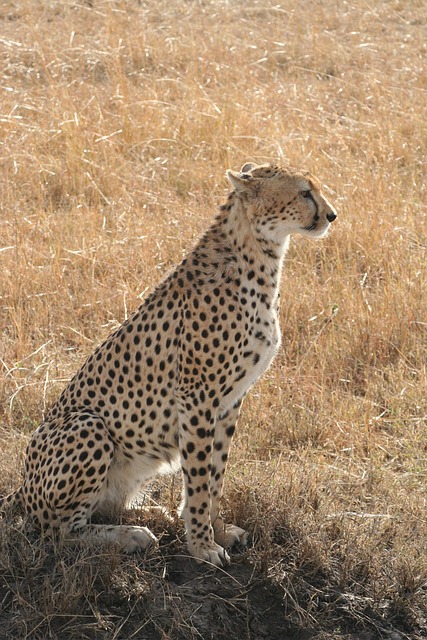
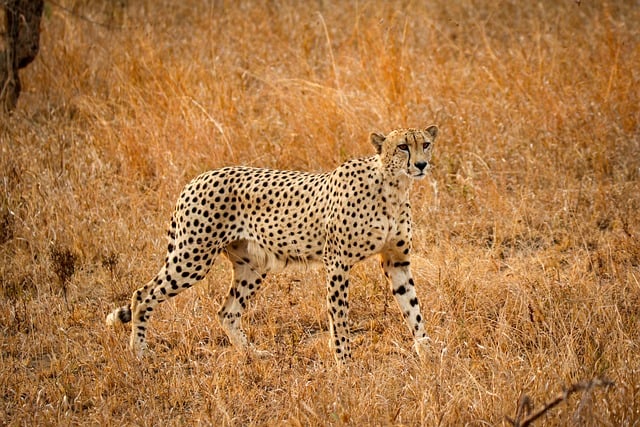
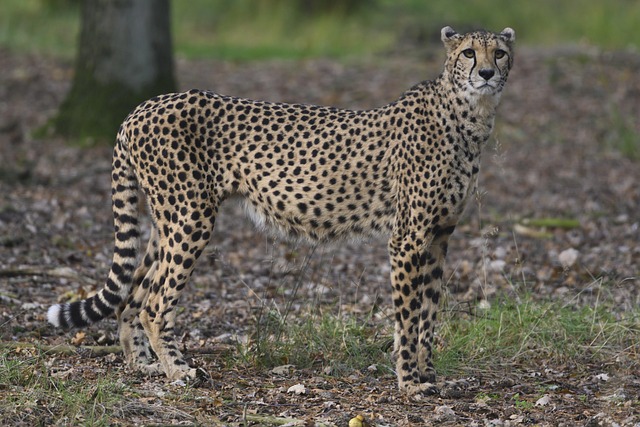
Black tear marks streak across russet faces, the signature pattern of Africa's fastest predator. 513 images capture cheetahs in motion across savanna grasslands, at rest beneath acacia trees, and in intense hunting moments. Mothers with cubs, solitary males, and coalition groups reveal the complex social lives of these lean felines.
Showing 513 of 513 images

pixabay

pixabay

pixabay

pixabay

pixabay
pixabay
pixabay

pixabay

pixabay

pixabay

pixabay

pixabay

pixabay

pixabay

pixabay

pixabay

pixabay

pixabay

pixabay
pixabay
About Cheetah Photography
Close-up shots of spotted coats and muscular frames dominate the collection, alongside wider scenes of cheetahs stalking prey across open plains. Safari settings in Kenya and other African regions provide authentic habitat backdrops. Baby cheetahs playing, nursing, and learning to hunt appear alongside adult predators in various behavioral moments—sprinting, grooming, and feeding.
Warm golden hour light bathes the tawny fur, emphasizing the contrast between spotted patterns and solid flanks. Shallow depth of field isolates individual animals from the surrounding scrub, while wider-angle shots reveal the vast, empty terrain where these mammals rely on speed rather than stealth.
Related Animals & Pets Topics
Wildlife and big cat imagery share similar wide-angle compositions that show predators within sprawling landscapes. The warm earth tones and muscular anatomy details that define cheetah photography echo visual techniques used in horses and other mammals, creating visual harmony in nature-focused editorial layouts.
Explore More Free Images
Travel documentaries pairing cheetah footage with cultural narratives about African conservation benefit from action-focused predator images. Educational content for children's books and museum exhibits often blends cheetah photography with infographics on speed and adaptation.
Download Cheetah Images
Blog posts about African ecosystems rely on dynamic cheetah action shots to illustrate apex predator roles in food webs. Safari company websites and travel brochures use family groups and habitat scenes to market authentic wildlife experiences.