Black and White Images
Grayscale tones reveal the raw structure of faces, fur, and architectural surfaces with stark clarity. Monochrome photography strips away color distraction to expose contrast, shadow, and form—a technique that transforms 395 subjects into studies of light and absence. Each frame speaks through shades of gray rather than hue.
Showing 395 of 395 images

pixabay

pixabay

pixabay

pixabay
pixabay

pixabay

pixabay

pixabay

pixabay

pixabay

pixabay

pixabay

pixabay

pixabay

pixabay

pixabay

pixabay
pixabay
pixabay

pixabay
About Black and White Photography
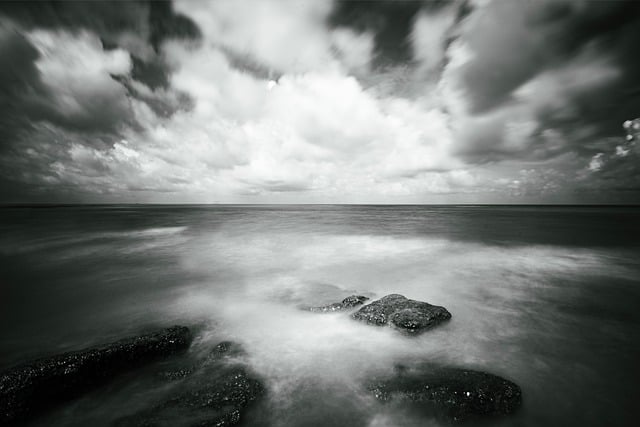
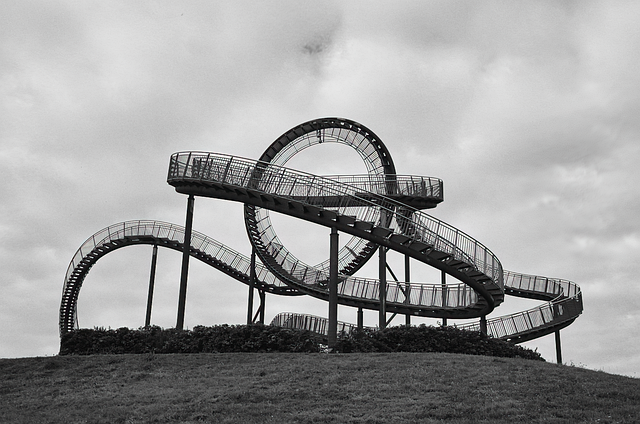
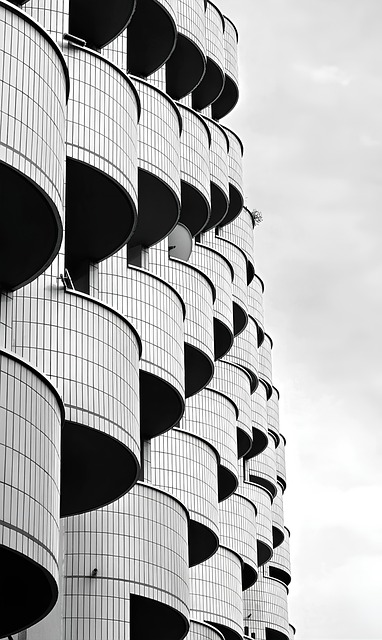
Portraits of men and women dominate alongside wildlife imagery featuring zebras and other animals captured in their natural habitats. Architectural elements—walls, structures, geometric forms—appear alongside intimate close-ups of human features and animal textures. Nature scenes range from wide landscapes to intimate detail shots where individual strands, scales, and facial lines become the primary subject.
Harsh shadows carve definition into every subject, creating dramatic interplay between pure black and pure white with graduated grays between. High contrast emphasizes contours and structure, whether in skin texture, animal markings, or building edges, while softer lighting occasionally diffuses this intensity to reveal subtler gradations.
Related Abstract & Textures Topics
Minimal compositions and geometric framing techniques overlap with black and white's emphasis on form over distraction. Pattern imagery and texture studies share the same close-inspection approach, where monochrome isolates repetitive details and surface qualities that color might obscure.
Explore More Free Images
Editorial layouts exploring identity, animal conservation, or urban design benefit from pairing black and white portraits with narrative text and historical imagery. Documentary-style presentations gain credibility when monochrome photographs anchor serious topics alongside data visualization or timeline graphics.
Download Black and White Images
Blog posts on photography technique, art history, or architectural criticism rely on black and white images to establish authority and focus reader attention on form rather than mood. Social media accounts dedicated to fine art, portraiture, or wildlife education use monochrome photographs as instantly recognizable visual signatures that stand apart from color-heavy feeds.